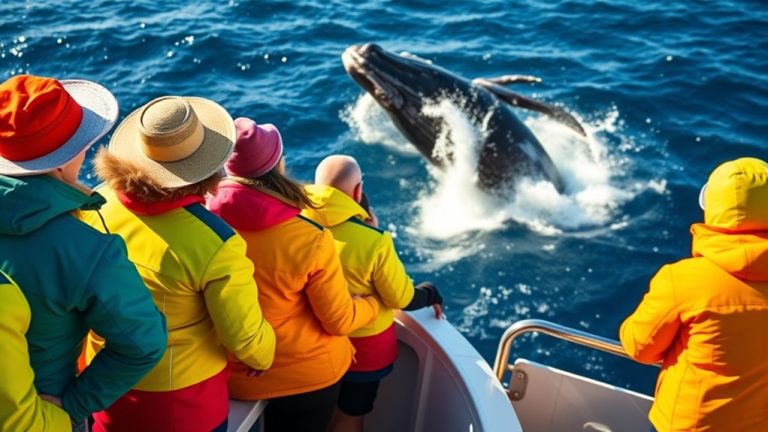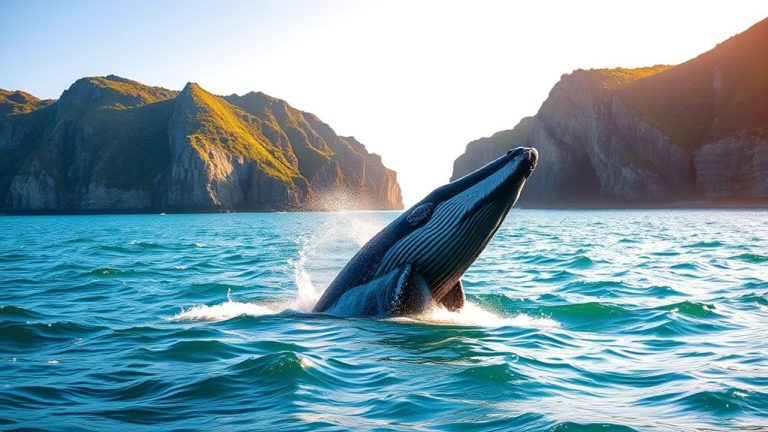

Key Months for Whale Season in San Diego
You’ll find the best whale watching in San Diego during key months that highlight different species. From December to April, gray whales are the star attraction, while blue whales peak from June to July. Humpback whales are commonly seen from October through April, making these months ideal for sightings.
Orcas and fin whales are most visible between June and October. While whales can appear year-round, focusing your trip during these peak months significantly increases your chances of incredible encounters.
Planning your trip around these times also ensures better tour availability. Keep exploring to uncover the top spots and expert tips for your whale adventures in San Diego.
When Is Whale Season in San Diego : And Why It Matters?

Although whale season in San Diego varies by species, it generally peaks from December to April for Gray whales and from June to October for Blue and Humpback whales. You’ll find that understanding these peak months is essential for planning your whale watching adventures.
The migration of Gray whales through San Diego’s coastal waters during winter and early spring offers a unique spectacle driven by their seasonal patterns of breeding and calving. Recognizing these migration windows helps you maximize your chances of spotting these majestic creatures.
Plus, knowing when whale season occurs supports conservation efforts by aligning tourism with natural behaviors. So, by tracking seasonal patterns, you not only enhance your experience but also contribute to protecting San Diego’s incredible marine life.
How Does Gray Whale Migration Shape Winter Viewing?
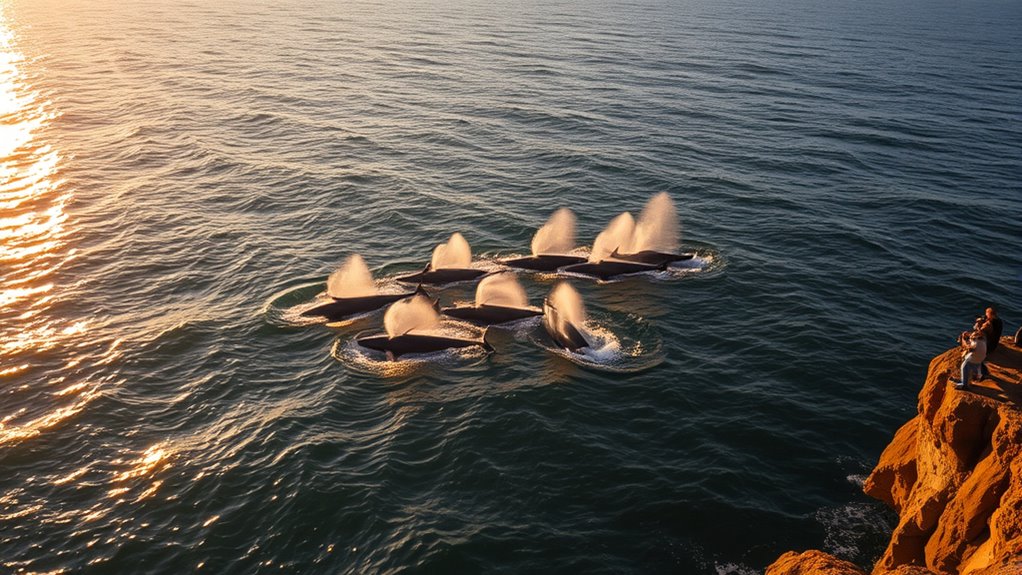
You’ll find the best gray whale viewing in San Diego between December and April, when their migration brings them close to shore. This timing lets you catch these giants as they travel from Arctic feeding grounds to Baja California.
Because they follow the coastline, you can spot them easily from land or on guided tours during winter months.
Migration Timing Impact
Because gray whales migrate along the California coast from December to April, winter becomes the prime time for spotting them near San Diego. Their migration from Arctic feeding grounds to Baja breeding lagoons creates the peak season for whale watching.
During winter, gray whales travel close to shore, making it the best time to catch these majestic creatures both from land and boats. This timing directly impacts when tours operate and how successful your viewing experience will be.
| Migration Timing | Impact on Viewing |
|---|---|
| December – April | Migration period along California coast |
| January – March | Peak season for sightings and whale watching |
| Winter | Best time for close shore sightings and tours |
Coastal Viewing Advantages
The timing of gray whale migration not only sets the season but also enhances your chances of spotting them from the shore. During winter, gray whales travel close to San Diego’s coast, making land-based coastal viewing ideal.
Here’s why the migration shapes your Whale Watching experience: Peak migration from December to April aligns perfectly with the winter season for consistent sightings. Gray whales follow a route near shore, increasing your chances of seeing them without a boat.
Coastal spots like Cabrillo National Monument and Torrey Pines State Reserve offer excellent vantage points. San Diego’s reputation as a top Whale Watching destination is built on this reliable winter migration pattern.
You’ll enjoy clear, convenient, and rewarding coastal viewing of gray whales every winter season in San Diego.
When Are Blue Whales Most Visible in Summer and Fall?

You’ll find blue whales most visible in San Diego from mid-June through September, with June and July offering the best chances. During these months, they’re actively feeding on krill, making them easier to spot.
After July, sightings drop as they begin their migration toward breeding grounds.
Peak Blue Whale Months
When can you expect to see blue whales off San Diego’s coast? The prime time is during the summer months, especially from mid-June through September, with June marking the peak migration and feeding season.
Here’s what you should know about the peak blue whale months:
- June offers the highest chances to spot blue whales during whale watching tours in San Diego.
- July still has a strong presence, but sightings start to decline as the summer season progresses.
- August and September see fewer blue whales as they begin to migrate away from the coast.
During summer, thousands of blue whales gather to feed on krill, making this the best time for observing them.
Plan your whale watching trip accordingly to catch the spectacular summer season peak!
Summer Feeding Behavior
Blue whales feed heavily on krill in nutrient-rich waters from June through September, making these months the most active and visible for whale watchers off San Diego’s coast. During this summer peak season, blue whales concentrate in local feeding grounds where krill swarms are abundant. You’ll notice them surfacing frequently as they consume massive amounts of krill to build energy reserves.
Sightings are especially common in June, July, and August when feeding behavior is at its height. As fall approaches, blue whales start their migration southward, causing a decline in sightings by late September. Understanding this summer feeding behavior helps you plan the best time to catch these magnificent creatures in action along San Diego’s coast during their vital feeding period.
When Can You See Humpback Whales Off San Diego’s Coast?
Although humpback whales can occasionally be spotted year-round, your best chances to see them off San Diego’s coast are during their fall migration from October to mid-December and their northward journey in March and April. These peak months highlight the excitement of whale watching in San Diego’s whale season.
Here’s what you need to know:
- October marks the start of the fall migration, when humpbacks are most active.
- Mid-December signals the end of this migration period, though sightings may still occur.
- March and April bring spring sightings as whales head north.
- During these times, you’ll often witness humpbacks breaching, splashing, and singing.
Plan your trip around these migration windows to maximize your chances of unforgettable humpback whale encounters.
Best Months to See Orcas and Fin Whales
Since orcas and fin whales follow distinct migration patterns, you’ll find the best chances to see them off San Diego’s coast between June and October. This period marks the peak season for whale watching, especially in summer when sightings increase. Both species migrate along the California coast, making San Diego a prime spot.
| Month | Orca Sightings | Fin Whale Sightings |
|---|---|---|
| June | High | High |
| July | High | High |
| August | Very High | Very High |
| September | High | High |
| October | Moderate | Moderate |
Plan your whale watching trips during these months to maximize your chances of spotting orcas and fin whales during their migration.
Can You See Whales Outside Peak Seasons?
While June through October offers the best chance to spot orcas and fin whales, you don’t have to wait until then to enjoy whale watching in San Diego. You can see whales year-round, thanks to a few factors:
- Some species like Minke whales and orcas appear year-round, providing consistent whale sightings.
- Blue and humpback whales show occasional sightings outside their main migration months.
- Off-peak seasons bring varying weather and ocean currents that sometimes improve spotting chances.
- Guided tours enhance your odds by knowing prime spots and understanding unpredictable migration patterns beyond peak seasons.
How Whale Seasons Affect Tour Availability in San Diego
When whale migration seasons peak, tour availability in San Diego ramps up considerably, giving you more chances to book a trip. During the whale watching season, especially in peak migration months like December to April for gray whales and June to October for blue whales, San Diego tours operate frequently to match high sightings availability. Seasonality plays a vital role, as tour operators schedule more trips when whale activity is at its highest.
Conversely, in off-peak months, fewer tours run due to reduced sightings, and some operators may even close temporarily. To secure your spot during busy times, booking in advance is highly recommended. Understanding how whale seasons affect tour availability helps you plan the best time to experience San Diego’s incredible marine life.
Best Shore Spots for Whale Watching in San Diego
Booking a whale watching tour is a great way to see these majestic creatures up close, but you don’t have to be on a boat to catch a glimpse. San Diego offers fantastic shore spots for wildlife viewing, especially during the gray whales’ migration season.
Experience the thrill of whale watching from shore—no boat needed during San Diego’s gray whale migration season.
Here are four top locations:
- Cabrillo National Monument provides panoramic ocean views perfect for spotting gray whales from December to April.
- Torrey Pines State Reserve features hiking trails with excellent vantage points for marine life sightings in winter and early spring.
- Sunset Cliffs Natural Park offers expansive views where you can watch whales glide by during migration months.
- Birch Aquarium at Scripps Institution combines shoreline access with educational exhibits, enhancing your whale watching experience.
These shore spots make San Diego a prime destination for observing marine life during migration season.
How to Stay Updated on Whale Sightings in San Diego
To catch the latest whale sightings in San Diego, you should follow local whale watching tour operators and guides on social media. They share timely updates and live data about whale activity during the season. You can also sign up for newsletters from organizations like the Oceanic Society or San Diego Marine Mammal Center to receive detailed migration reports and seasonal updates.
Checking dedicated whale migration tracking websites and apps provides real-time sighting alerts specifically for San Diego. Additionally, attend marine life festivals where experts discuss recent whale sightings and seasonal patterns. Don’t forget to consult local wildlife agencies and park services, such as Cabrillo National Monument, for official whale observation advisories and peak viewing recommendations throughout the whale watching season.
Frequently Asked Questions
What Month Is Best for Whale Watching in San Diego?
You’ll find the best whale watching in San Diego during January and February for gray whales, June for blue whales, and October for humpbacks.
Summer also offers chances to spot orcas and fin whales along the coast.
What Month Are Whales Most Active?
Wondering when whales are most active? You’ll see the most action from January to March with gray whales and June to September with blue whales.
That’s when they breach, spy-hop, and feed near the surface, making sightings thrilling.
Where Is the Best Place to See Whales in San Diego?
You’ll find the best whale watching spots at Cabrillo National Monument and Torrey Pines State Reserve for land views.
Alternatively, hop on tours from Broadway Pier and Seaport Village for close encounters with migrating whales in San Diego.
Is It Worth Whale Watching in San Diego?
You’ll ride waves of wonder when you whale watch in San Diego—each splash a story, each breach a dance.
You’ll find joy in these giants’ journeys, making every moment truly worth your time and awe.
Conclusion
If you time your San Diego visit just right, you might catch gray whales migrating in winter, blue whales cruising in summer, and even orcas showing up unexpectedly—all in one trip. It’s a lucky coincidence that these incredible giants share the same waters at different times, giving you multiple chances to witness their beauty.
So, keep your binoculars ready and stay updated—you never know which whale might surprise you next! Remember, knowing the key months for whale season in San Diego can enhance your chances of spotting these magnificent creatures during your visit.