10 Key Facts About Whale Watching Season in Cabo San Lucas
You’ll find Cabo’s whale watching season runs from December to April, with January to March as prime months when humpbacks and gray whales are most active. Early mornings and late afternoons offer the best viewing due to calmer seas and lively whale behaviors.
Tours range from Zodiac rides to luxury catamarans, and booking multiple outings boosts your chances of sightings.
Packing layers, sunscreen, and binoculars helps you stay comfortable and ready.
Keep exploring to uncover more tips and insights.
When Does Whale Watching Season Start and End in Cabo San Lucas?
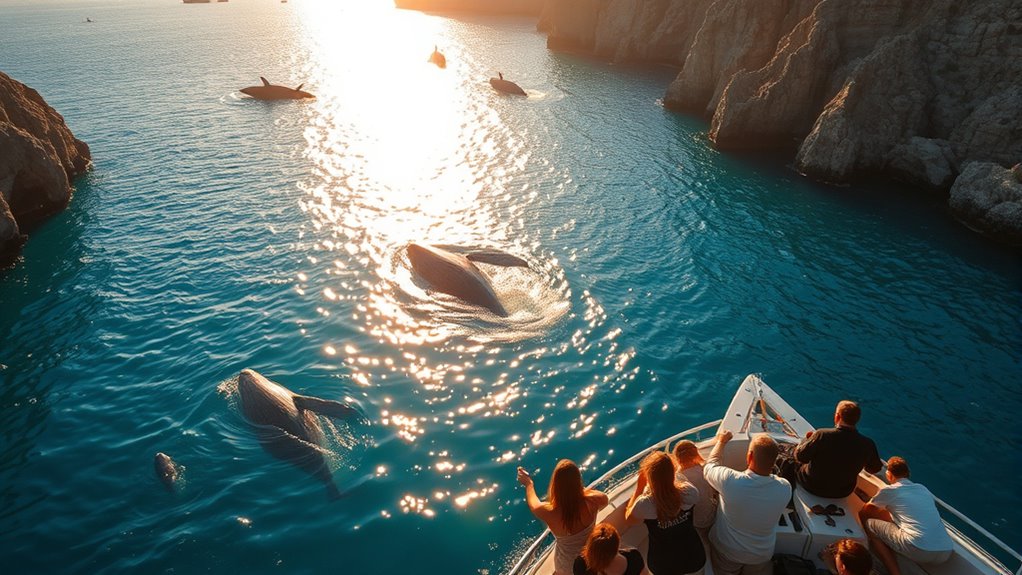
Although the whale watching season in Cabo San Lucas officially runs from December to April, you’ll find the best sightings between January and March. During these peak months, whale activity is at its highest, giving you more chances to see majestic humpbacks and gray whales.
The season starts as whales begin arriving in early December, but sightings are less frequent until the peak months arrive. By late April, the whales start leaving, signaling the end of the whale watching season. Keep in mind that migration patterns and environmental conditions can cause slight variations in timing each year.
Planning your trip during the peak months in Cabo San Lucas guarantees you won’t miss the most exciting whale encounters of the season.
Which Months Offer the Best Whale Watching in Cabo?
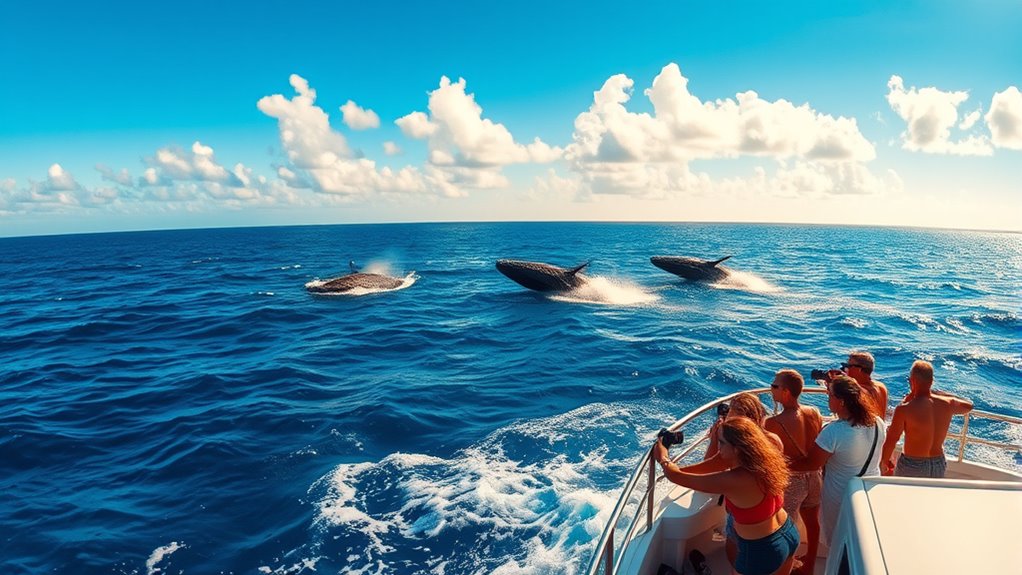
If you want the best chance to see whales in Cabo, plan your trip between December and March. January and February offer the peak activity, with playful calves and larger groups often spotted.
These months give you the prime opportunity to catch humpbacks and gray whales in action.
Prime Viewing Months
When you plan your whale watching trip to Cabo San Lucas, aim for the prime months between December and February. This period marks the peak season of the whale season, offering the best chances to spot playful calves and large whale populations. Whale sightings remain consistent from mid-December through late March, with early and late season months still presenting good opportunities but with less activity.
Choosing these prime viewing months boosts your chances of witnessing breaching and tail slaps, making your experience unforgettable.
| Month | Whale Activity Level |
|---|---|
| November | Moderate |
| December | High |
| January | Very High |
| February | Peak |
| March | Moderate to High |
Peak Whale Activity
Wondering which months offer the best whale watching in Cabo San Lucas? The peak whale activity happens from mid-January to late March. This period marks when humpback and gray whales migrate here to breed and calve.
January and February are the best time to see these majestic creatures, with whale sightings at their highest. You’ll catch amazing behaviors like breaches and tail slaps. March still offers great chances to spot larger whale calves showing lively energy as the season winds down.
During these months, whale sightings are consistent and varied, giving you an unforgettable experience. So, plan your visit during this window to maximize your chances of encountering active whales in Cabo’s waters.
What Whale Species Can You Expect to See During the Season?
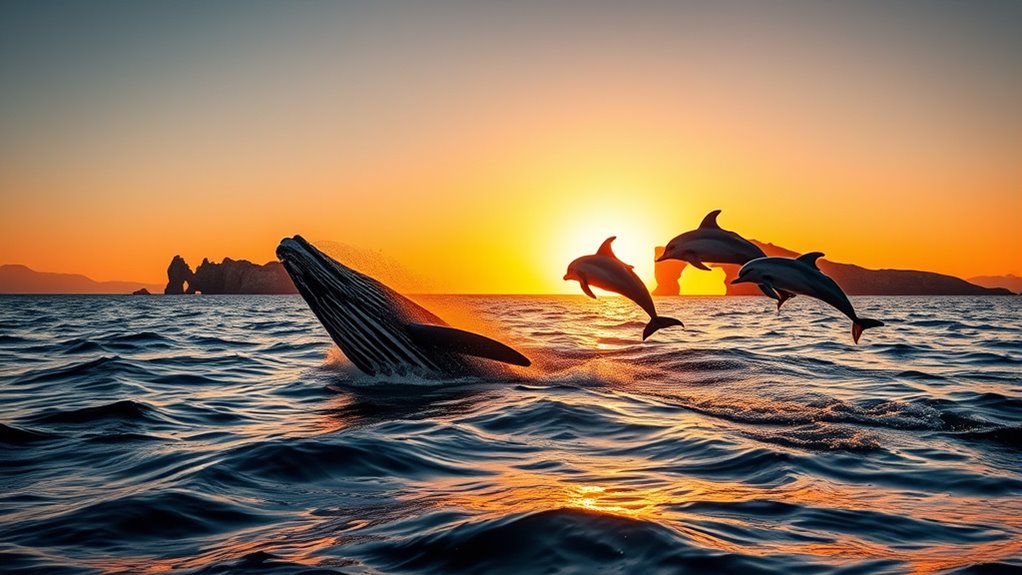
You’ll most often spot humpback whales, famous for their dramatic breaches and songs, during Cabo’s whale season. Gray whales get close to shore, sometimes even approaching boats, making for an unforgettable experience.
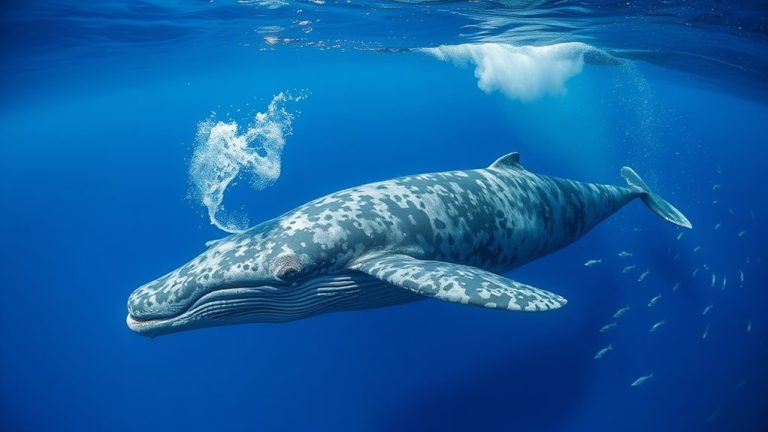
While blue whales and orcas are rarer, their seasonal appearances add exciting variety to what you can expect to see.
Common Whale Species
Which whale species can you expect to see during the whale watching season in Cabo San Lucas? The most common whale species you’ll encounter are humpback whales and gray whales. Humpback whales arrive from December to April, famous for their acrobatic breaches and melodic songs.
Gray whales migrate through from early January to late March, often coming close to shore and sometimes interacting with boats, offering a unique viewing experience. While blue whales, the largest animals on Earth, are rarer, you might spot them in deeper offshore waters during peak season. Orcas also pass through seasonally, but sightings are less frequent.
These whale species create an incredible variety for watchers, making Cabo San Lucas a prime destination to witness majestic marine giants in their natural habitat.
Unique Whale Behaviors
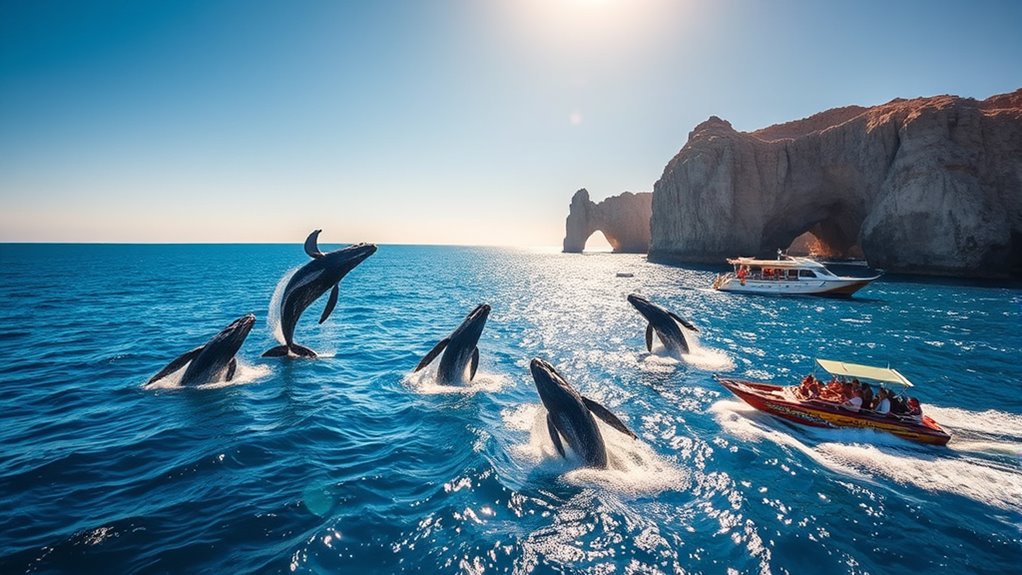
How do whales behave during the Cabo San Lucas season? You’ll witness incredible whale behaviors that make this time special. Humpback whales show off with acrobatic breaching, tail slaps, and complex songs.
Males even perform bubble-net feeding and courtship displays to attract females. Gray whales get curious, often coming close to boats and showing friendly spyhopping and fluke displays. Though rare, blue whales, the largest creatures on Earth, sometimes breach and spout nearby.
Don’t miss the calves—they’re energetic and frequently breach as they learn to navigate the waters. These unique behaviors offer a thrilling experience, letting you connect with the vibrant life of Cabo’s marine giants throughout the season.
Seasonal Whale Variations
When can you spot different whale species in Cabo San Lucas? During the Whale Season, from November to April, the waters come alive with marine giants. You’ll mostly see Humpback Whales, especially from mid-December to late January, as they perform spectacular breaches and songs.
Gray Whales make their appearance from early January to late March, often close to shore and curious around boats. Besides these, a few other species add variety to your experience.
- Humpback Whales: Most common, peak season mid-December to late January
- Gray Whales: Near shore, January to March, known for inquisitive behavior
- Blue Whales: Rare sightings, December to April, dependent on ocean conditions
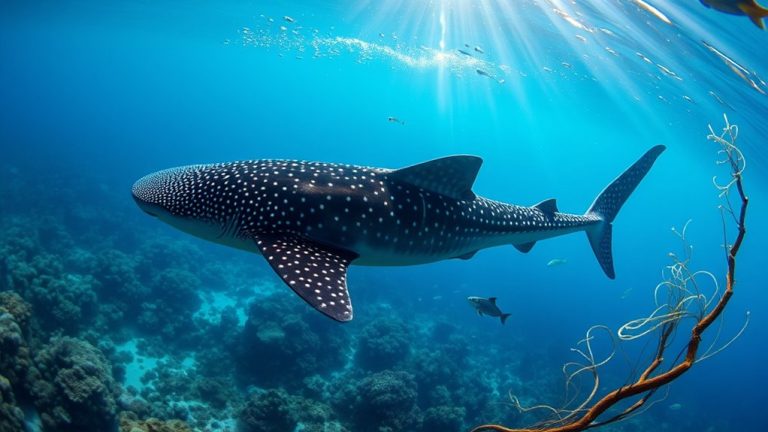
- Whale Sharks: Not true whales but frequent from October to April, feeding on plankton
Keep your eyes peeled—you never know which species you’ll encounter!
How Whale Migration Patterns Affect Whale Watching in Cabo?
Because whale migration patterns dictate their arrival and movement, you can plan your Cabo San Lucas trip to coincide with peak whale watching seasons. Whale migration brings humpback and gray whales from distant feeding grounds to warmer waters off Baja California Sur between December and April.
Gray whales typically arrive earlier, from January through March, while humpbacks peak later. These seasonal timing shifts create windows for peak sightings, helping you choose when to visit for the best experience. Keep in mind, whale activity fluctuates every few days along their routes, so sightings vary.
Why Are Early Morning and Late Afternoon Tours Best for Whale Watching?
If you want the best chance to see whales up close, early morning tours are ideal because the seas are usually calm, making it easier to spot them. Late afternoon tours are great since whales tend to be more active, showing off feeding and breaching behaviors.
Choosing these times means you’ll enjoy smoother waters and more lively whale encounters.
Calm Seas Advantage
A calm sea can make all the difference during your whale watching tour in Cabo San Lucas. Early morning and late afternoon are prime times because calm seas prevail, giving you a smoother, more enjoyable experience. Whale watching tours scheduled during these hours benefit from minimal wind and waves, which means clearer views and easier boat navigation.
Here’s why calm seas matter:
- Early morning calm seas reduce boat traffic, lowering disturbances.
- Stable ocean conditions improve visibility of whale behavior.
- Quieter waters make whales more approachable and active.
- Safety and comfort increase with less wind and wave action.
Choosing tours during these calm periods boosts your chances of unforgettable whale encounters.
Enhanced Whale Activity
Along with calmer seas, early morning and late afternoon tours offer a chance to witness heightened whale activity. These times are the best time to go whale watching because whales are more active and social during cooler, calmer hours. You’ll see more breaches, tail slaps, and feeding behaviors.
Plus, the light conditions enhance your photography opportunities.
| Time of Day | Why It’s Ideal |
|---|---|
| Early Morning Tours | Increased whale activity |
| Late Afternoon | More social and feeding behaviors |
| Both | Calmer seas for better visibility |
| Both | Safer conditions for close encounters |
| Both | Ideal lighting for photos |
Choosing early morning tours means you’re set for an unforgettable whale watching experience.
How Weather and Ocean Conditions Affect Whale Watching in Cabo?
Though whale watching in Cabo San Lucas can be thrilling any day, you’ll notice that calm weather with clear skies and gentle seas greatly boost your chances of spotting whales. Favorable weather and ocean conditions improve whale sightings by providing better visibility and smoother boat rides.
On the other hand, challenging conditions can reduce whale activity and your viewing experience. Strong winds and choppy seas make spotting whales harder and less safe.
High ocean swells cause discomfort and limit guide visibility. Overcast or stormy weather decreases whale surface behaviors like breaching.
Changes in ocean temperature and currents shift whale movement patterns, affecting proximity.
What Types of Whale Watching Tours Are Available and Which Should You Choose?
When weather and ocean conditions set the stage for a great whale watching day, choosing the right tour can make your experience even better. Whale tours in Cabo range from high-speed Zodiac boats for thrilling close encounters to luxury catamarans that offer a relaxed vibe. If you want personalized attention or are celebrating a special occasion, private charters let you customize your itinerary.
Group tours are popular, affordable, and perfect if you enjoy shared wildlife viewing; they usually cost between $80 and $130 per person. Many tours are eco-certified, ensuring responsible wildlife practices and include educational guides to deepen your understanding. During peak season, specialized Gray Whale tours focus on observing calves in calmer lagoons, giving you a unique and intimate experience.
Choose the tour that best fits your style and interests.
How Booking Multiple Tours Increases Your Chances of Seeing Whales?
Because whale activity changes every few days, booking multiple tours considerably boosts your chances of spotting these majestic creatures. When you plan several trips during the peak season, you increase the likelihood of whale sightings as their behavior and locations can vary widely.
Here’s why booking multiple tours works:
- Whale activity fluctuates every 2-3 days, so more tours mean more opportunities.
- Different tours explore various hotspots, improving your chances of seeing whales in key areas.
- Weather and whale behavior change, so multiple trips let you experience diverse conditions.
- Spreading tours across days compensates for the unpredictable nature of whale presence.
Essential Gear and Tips for Whale Watching in Cabo
To enjoy whale watching in Cabo comfortably and safely, you’ll want to come prepared with the right gear and essentials. Layer your clothing, including waterproof jackets and windbreakers, to stay warm and dry against changing weather and sea spray. Don’t forget polarized sunglasses; they cut glare off the water, making it easier to spot whales and marine life.
Bring sunscreen with high SPF to protect your skin, even on cloudy days. Pack snacks, water, and motion sickness medication if you’re prone to seasickness, ensuring you stay comfortable throughout the 2-3 hour tour. A camera with a zoom lens and binoculars will help you capture stunning close-up views of these majestic creatures from a safe distance.
How Cabo San Lucas Supports Whale Conservation and Responsible Whale Watching
Although whale watching in Cabo San Lucas offers unforgettable experiences, the town actively supports whale conservation to protect these magnificent creatures. Cabo is part of the Pacific Marine Mammal Sanctuary, which guarantees whales have safe, protected habitats during their seasonal migration.
When you visit, you’ll notice strict guidelines that promote responsible whale watching, minimizing disturbance to the animals.
Key efforts include:
- Enforcing speed limits for boats near whales
- Designating protected habitats for breeding and resting
- Educating tourists about respectful distance and behavior
- Supporting local conservation programs and research
Frequently Asked Questions
What Is the Best Month for Whale-Watching in Cabo San Lucas?
The best month for whale-watching in Cabo San Lucas is February. You’ll enjoy the highest chance of seeing active whales and playful calves, with clear weather and calm seas making your experience unforgettable and full of thrilling sightings.
How Is Whale-Watching in Cabo?
You’ll feel the ocean breeze as whales breach nearby, their massive tails slapping the water’s surface.
Whale-watching in Cabo is thrilling, with expert guides leading you to breathtaking, close encounters in calm, sparkling seas.
What to Wear When Whale-Watching in Cabo?
You should wear layered, quick-drying clothes, a waterproof jacket, and a hat. Don’t forget sunscreen and polarized sunglasses to protect your skin and eyes.
Bring a light jacket for cooler mornings or late afternoon trips.
Why Are There so Many Whales in Cabo Right Now?
You might think Cabo’s whales just love the view, but it’s actually their breeding grounds and warm, nutrient-rich waters that draw them.
They’re here now for mating, calving, and feeding, making it a magical season.
Conclusion
As you set out on the shimmering waters of Cabo San Lucas, imagine the gentle giants breaching just beyond the horizon—whales painting your adventure with grace and power. With the season’s timing, tour choices, and a bit of patience on your side, you’re not just watching whales; you’re witnessing a timeless migration dance.
Embrace these moments, knowing your journey supports conservation efforts, keeping this magical spectacle alive for generations to come. Whale watching season in Cabo San Lucas offers an unforgettable experience, connecting you with nature’s wonders while promoting responsible tourism.
By choosing the right whale watching tours, you help protect the marine environment and ensure these majestic creatures continue to thrive. Let your Cabo San Lucas whale watching adventure be both inspiring and impactful.