Best Months to Whale Watch in Maine
The best months to whale watch in Maine are June through September, making summer and early fall prime times for spotting these majestic creatures. August and September offer the highest chances to see humpbacks, finbacks, and other whales in their natural habitat.
You’ll want to plan your trip during calm, clear weather, ideally early morning or late afternoon, for the best visibility. Booking with trusted tour operators near the Gulf of Maine guarantees a safe and rewarding experience.
Keep exploring to discover which species you might see and how to prepare for your adventure. With the right timing and preparation, whale watching in Maine can be an unforgettable experience.
When Is the Best Time for Whale Watching in Maine?
Although whales begin migrating north as early as April, the best time for whale watching in Maine is from June through September. This period marks the peak whale watching season when whale sightings become more frequent in the coastal waters.
If you want to spot whales reliably, plan your trip during these summer months, especially in August and September, when whale activity reaches its height. Early in the season, from April to May, whale sightings are less common since whales are still migrating north.
While September and October can also offer good opportunities, the best time for whale watching in Maine remains June through September. By choosing this window, you maximize your chances of spotting whales in their natural habitat along Maine’s beautiful coast.
Which Whale Species Can You See During the Season?
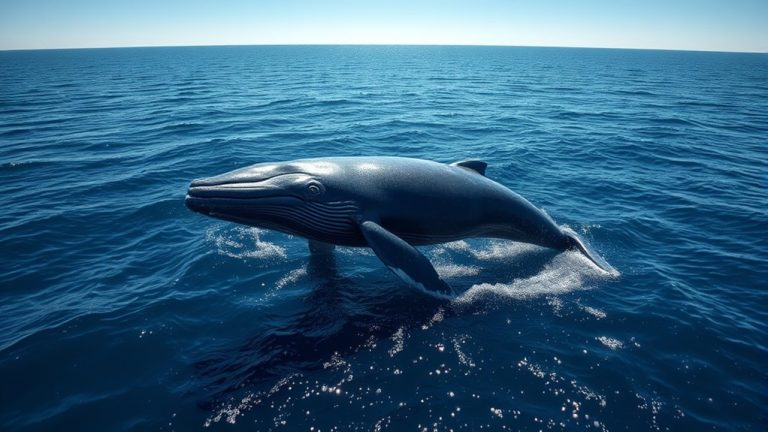
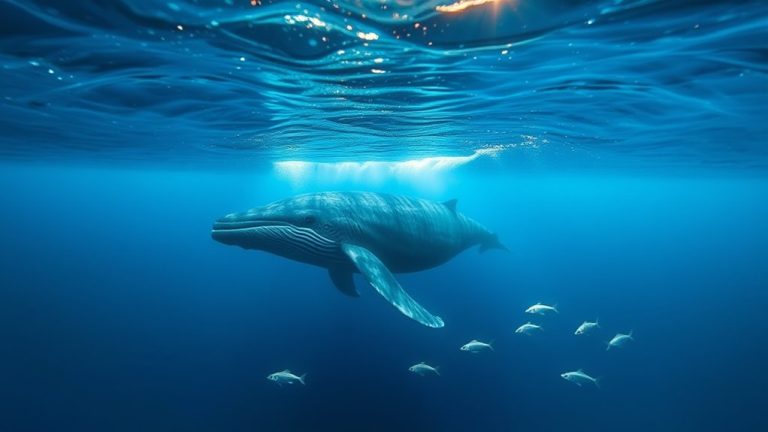
When you go whale watching in Maine, you’ll encounter several fascinating species throughout the season. The whale watching season offers chances to see humpback whales breaching from June to September, finback whales cruising from August to October, and minke whales spotted mainly in spring and summer.
North Atlantic right whales, though rare and critically endangered, appear mostly in spring and fall near shipping lanes. Here’s a quick guide to the whale species you might see:
| Whale Species | Season | Notable Features |
|---|---|---|
| Humpback Whales | June – September | Breaching, long flippers |
| Finback Whales | August – October | Second largest, up to 80 feet |
| Minke Whales | Spring – Summer | Smallest baleen whale |
| North Atlantic Right Whales | Spring – Fall | Critically endangered, near lanes |
How Do Weather and Location Affect Whale Watching Success?
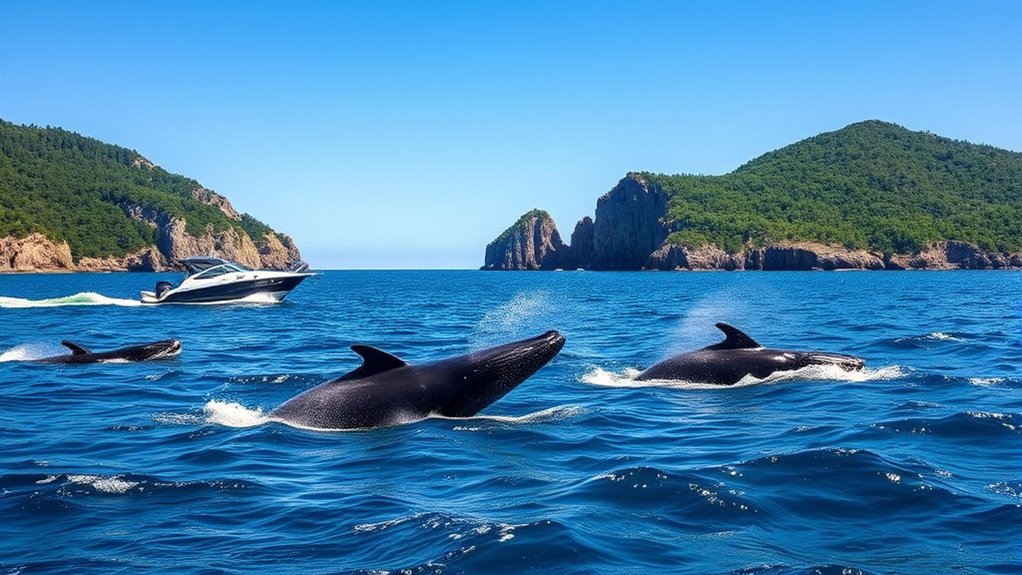
Because weather conditions can change rapidly along the Maine coast, your chances of spotting whales depend heavily on clear skies and calm seas. Rough seas caused by high winds can make trips uncomfortable or unsafe, reducing visibility and even leading to cancellations. Fog and storms also lower whale sightings by decreasing visibility and safety.
Location plays a pivotal role; heading to areas known for higher whale populations or feeding grounds boosts your odds regardless of weather. During the season, early morning and late afternoon excursions often offer the best weather and increased whale activity, improving your chances.
How to Choose the Best Whale Watching Tours in Maine
Choosing the best whale watching tour in Maine means focusing on operators with experienced guides and strong reputations. You should pick a reputable tour operator known for high whale sightings and excellent safety records. Booking during peak months—June to September—boosts your chances thanks to active marine habitats.
Look for tours near prime areas like the Gulf of Maine, and ensure guides are knowledgeable. Flexible schedules help adapt to changing weather, improving your experience.
| Factor | What to Look For |
|---|---|
| Tour Operator | Positive reviews, reputable |
| Best Timing | Peak months (June-Sept) |
| Location & Guides | Gulf of Maine, experienced guides |
Tips for Planning Your Maine Whale Watching Trip
To make the most of your Maine whale watching trip, plan ahead by booking tours during the peak months of June through September. Booking early is vital, especially in July and August, to secure your spot with reputable operators. Schedule your tour in the early morning or late afternoon when whale sightings tend to be more frequent.
Always check the weather conditions beforehand and dress in layers; bring rain gear since the weather can be unpredictable. Confirm the seasonality and availability with your tour provider to avoid cancellations due to weather or closures. Follow all whale watching guidelines to guarantee a safe and respectful experience for both you and the whales.
Frequently Asked Questions
Is Morning or Afternoon Better for Whale Watching in Maine?
You’ll find morning trips better for whale watching since the sea’s calmer and whales are more active.
Afternoons work too, especially late ones, but mornings usually offer clearer views and more frequent sightings overall.
Can You See Whales in Portland, Maine in October?
You can see whales in Portland in October, but sightings are rarer. While summer brings abundance, October offers fleeting chances.
If you’re lucky, early tours might reveal migrating whales despite unpredictable weather and sea conditions.
Is Maine or Massachusetts Better for Whale Watching?
You’ll find Maine better for whale watching because it offers more abundant sightings, larger species, and longer seasons.
Its deeper offshore tours and rich feeding grounds give you a more exciting and rewarding experience than Massachusetts.
What Month Are Whales Most Active?
Imagine giants dancing beneath the waves—whales are most active in July and August.
You’ll catch their spectacular feeding frenzy then, as they surface frequently, making your whale-watching adventure truly unforgettable during these peak months.
Conclusion
Whale watching in Maine is a magical experience you won’t want to miss. From late spring to early fall, you’ll spot majestic giants like humpbacks and finbacks breaching the waves.
Remember, weather and location play a huge role, so pick your tour wisely—think of it like tuning a vintage radio to catch the clearest signal. With a bit of planning, you’ll create unforgettable memories that echo like a timeless sea shanty.
For the best months to whale watch in Maine, plan your trip between May and September. This period offers the highest chances of sighting these magnificent creatures in their natural habitat.