How to Understand if Jonah Was Swallowed by a Fish or Whale
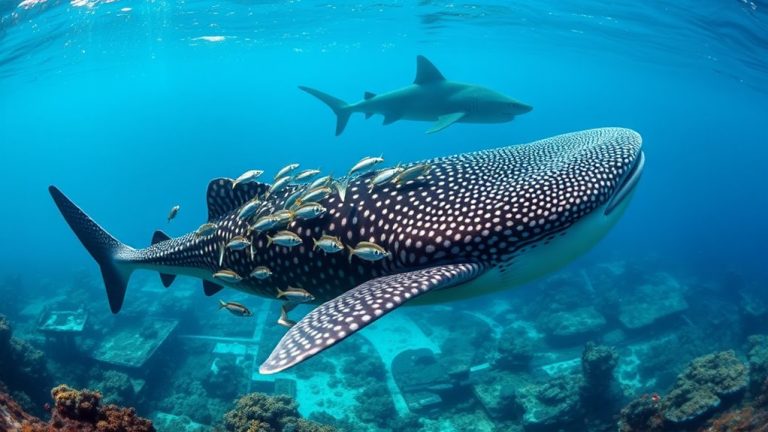
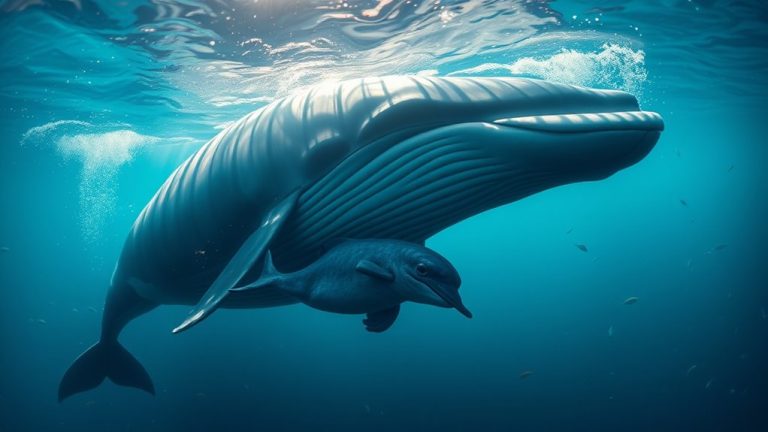
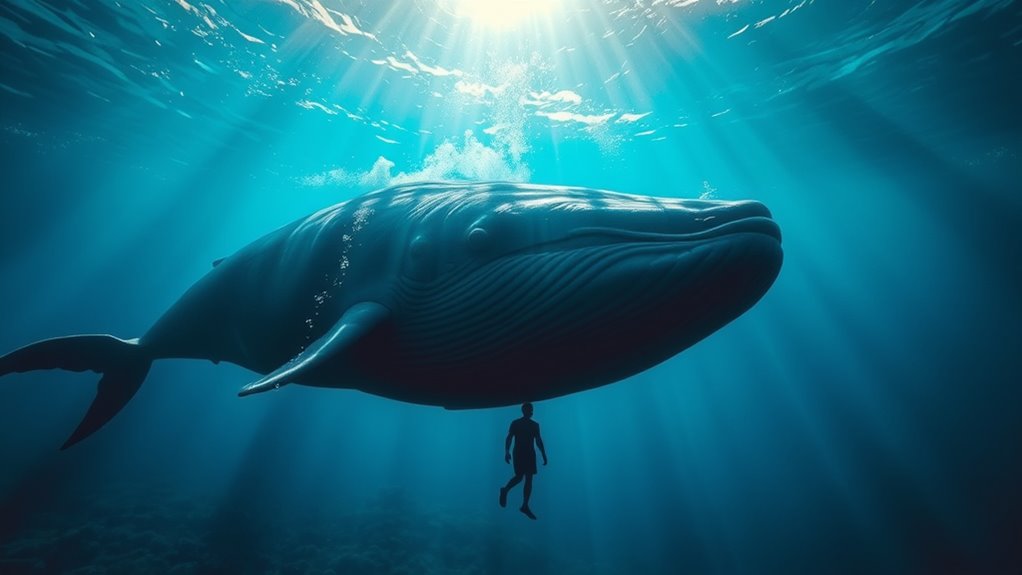
You can comprehend that Jonah was swallowed by a “great fish” or large sea creature, as the original Hebrew and Greek terms mean broadly big sea animals—not specifically whales or fish as we recognize them.
Some older Bible versions say “whale” due to tradition, but modern translations prefer “fish” to reflect the original language better.
Jonah’s story focuses more on the miraculous event than identifying the creature. Keep exploring, and you’ll uncover deeper meanings beyond just the type of sea creature.
What Does the Bible Say About Jonah’s Sea Creature?
How does the Bible describe the creature that swallowed Jonah? In the Old Testament biblical account, Jonah was swallowed by a “great fish” as stated in Jonah 1:17. The original Hebrew term used is “Gādol Dāg,” and the Greek equivalent, “kētōs,” appears in Matthew 12:40.
Both words broadly refer to large sea creatures, including fish, whales, or sea monsters, rather than specifying a particular species. So, when you read about Jonah’s sea creature, it’s important to understand that the Bible doesn’t pinpoint it as a whale or any exact animal.
Instead, it emphasizes a large sea creature. The focus of this story is on divine intervention and Jonah’s salvation, not on identifying the specific type of creature that swallowed him.
Why Do Some Translations Say “Whale” Instead of “Fish”?

You might wonder why some Bible translations say “whale” instead of “fish” when describing Jonah’s sea creature. It comes down to the original words used—Hebrew “dag” means fish broadly, while the Greek “ketos” can mean a large sea creature like a whale.
Translators chose “whale” in older versions based on their understanding at the time, but many modern editions prefer “great fish” to keep things less specific.
Translation Choices Explained
Although the original Hebrew word “dāg” and the Greek “kētōs” refer broadly to large sea creatures, translators have often chosen between “fish” and “whale” based on their audience’s familiarity and historical context. In biblical terminology, the Greek kētōs suggests a large sea creature or sea monster rather than a specific animal.
Many English translations, like the King James Version, use “whale” because it was the best-known large sea creature to 17th-century readers. Modern translations prefer “great fish” or “large sea creature” to reflect the original language more accurately.
Your understanding of Jonah’s story depends on recognizing these translation choices, which balance historical understanding and linguistic precision rather than strict scientific classification. This highlights how translation choices shape our perception of biblical narratives.
Original Language Meanings
The original Hebrew term “dag” in Jonah 1:17 simply means “fish” or “sea creature” without specifying any particular kind. When the Hebrew Bible was translated into Greek in the Septuagint, the translators used the Greek word “kētōs,” which also means a large sea creature but remains general in biblical terminology.
Early translations like the Latin Vulgate and the King James Version chose “whale” because whales were the largest known sea creatures, reflecting their understanding rather than a precise identification.
How Did Ancient Cultures Classify Jonah’s Sea Creature?
When you look at ancient cultures, you’ll see they grouped large sea animals simply as “fish” or “sea monsters,” without the detailed categories we use today.
The Bible calls Jonah’s creature a “great fish,” a term that covered various big sea animals rather than a specific species. Understanding this broad classification helps you grasp why translations vary and why the focus was more on the creature’s role than its exact identity.
Ancient Animal Groupings
Since ancient cultures didn’t have modern scientific classifications, they grouped large sea creatures like whales, sharks, and other marine animals simply as “fish.” You might find it surprising, but terms in Biblical Hebrew and Greek, such as “dahg” and “ketos,” referred broadly to any large aquatic creature without distinguishing specific species.
This historical animal grouping included marine reptiles and sea monsters, reflecting ancient classifications based on swimming ability and habitat rather than biology. When you think of Jonah’s sea creature in the Sea of Galilee, remember that biblical terminology lumped fish and whales together without clear lines.
| Ancient Classifications | Emotional Impact |
|---|---|
| Sea monsters | Awe and mystery |
| Fish and whales | Blurred reality |
| Marine reptiles | Unknown and fearsome |
Biblical Classification Context
Although ancient cultures lacked the detailed scientific classifications we use today, they described Jonah’s sea creature using broad terms like “fish” or “sea monster” that covered many large aquatic animals. In biblical classification, terms like the Hebrew “dahg” and Greek “ketos” referred generally to large marine animals without specifying a fish or whale.
Ancient texts grouped sea creatures primarily by habitat and size rather than precise species, placing whales and large fish together in marine creature categories. You’ll find that these classifications were more symbolic and functional than biological.
Was It a Whale, Fish, or Something Else?
If you explore the original biblical texts, you’ll find that the creature swallowing Jonah isn’t clearly identified as either a fish or a whale. The Hebrew word “dahg” and the Greek “ketos” both broadly describe a great sea creature or sea monster, without precise species identification. These terms simply mean a large biblical creature dwelling in the sea.
While some older translations, like the King James Version, render “ketos” as whale, modern biblical interpretation recognizes it as a general term for a great fish or sea monster. Since the texts don’t specify whether the creature was a mammal or a fish species, you can’t definitively say it was a whale or fish.
Instead, it’s best to view Jonah’s captor as a symbolic great sea creature, emphasizing the miraculous nature of the story.
Was Jonah Alive Inside the Fish or Whale?
While the biblical text doesn’t directly say whether Jonah was alive inside the great sea creature, it clearly shows him praying from within its belly, which suggests he was conscious during that time. The story of Jonah being swallowed by the fish or whale leaves the question open: was he alive, dead, or in a state between death and resurrection?
The poetic language about “Sheol” and “the pit” hints at death but doesn’t confirm it. Here’s a simple comparison:
| Aspect | Alive Inside Fish/Whale | Dead Inside Fish/Whale | Interpretation |
|---|---|---|---|
| Jonah’s Prayers | Yes, showing consciousness | Unlikely, as prayer implies life | Suggests alive |
| Biblical Language | Poetic, vague | Could imply near-death | Open to interpretation |
| Divine Rescue | Implies Jonah was alive | Resurrection symbolism possible | Supports alive or symbolic death |
| Jesus’ Reference | Symbolic of death and resurrection | Not literal | Points to resurrection theme |
| Creature Type | Fish or whale, no distinction | No definitive clues | Focus on message over species |
Theological Lessons Beyond the Fish or Whale Debate
Why focus on whether the creature was a fish or whale when Jonah’s story teaches far deeper lessons? You should look beyond the debate and embrace the spiritual lessons Jonah’s experience offers. The narrative reveals divine sovereignty, showing God’s control over all creation.
It teaches you obedience, urging trust in God’s plan regardless of circumstances. More importantly, it highlights God’s mercy and patience, as He offers repentance and salvation not only to Jonah but to all people, even the wicked. The story symbolizes God’s divine power to save and His compassionate nature.
Frequently Asked Questions
Was It a Whale or Fish That Swallowed Jonah?
You can’t be sure if Jonah was swallowed by a whale or a fish because the original texts use broad terms for large sea creatures.
Focus on the miraculous event, not the exact species involved.
What Is the Moral Lesson of the Five Loaves and Two Fishes?
The moral lesson shows you that even small offerings, when shared with faith and compassion, can meet great needs.
You can trust God to multiply your resources and provide abundantly for others.
Can a Person Survive Being Swallowed by a Whale?
You probably can’t survive being swallowed by a whale because of intense pressure, lack of oxygen, and digestive acids.
While rare stories exist, surviving inside a whale is practically impossible without miraculous help or intervention.
In What Chapter Does Jonah Get Swallowed by the Whale?
You’ll find Jonah swallowed by the great fish in Jonah chapter 1, verse 17.
This event happens right after he tries to escape God’s command, leading to his time inside the creature until his prayer and rescue.
Conclusion
Understanding whether Jonah was swallowed by a fish or whale isn’t about picking one creature over the other. Instead, think of it like a kaleidoscope—different perspectives blend to reveal deeper meaning.
What matters is Jonah’s experience and the lessons you draw from it. Whether fish, whale, or something else, the story teaches you about faith, obedience, and hope in tough times.
It reminds you that sometimes, the message matters more than the details. By focusing on these themes, you can better understand the significance of Jonah’s story beyond the question of fish or whale.