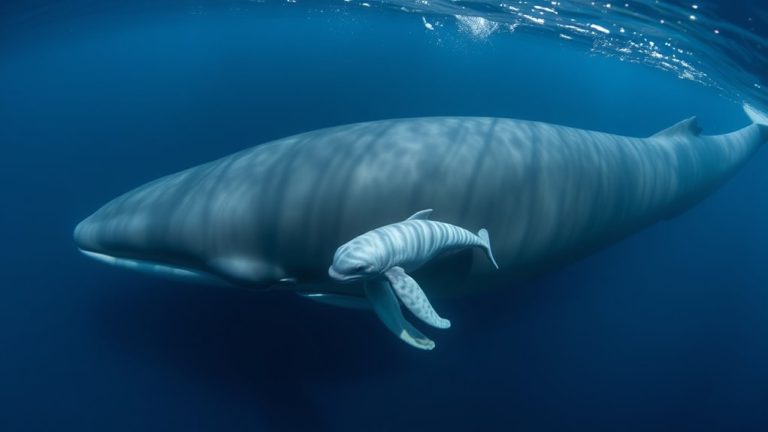
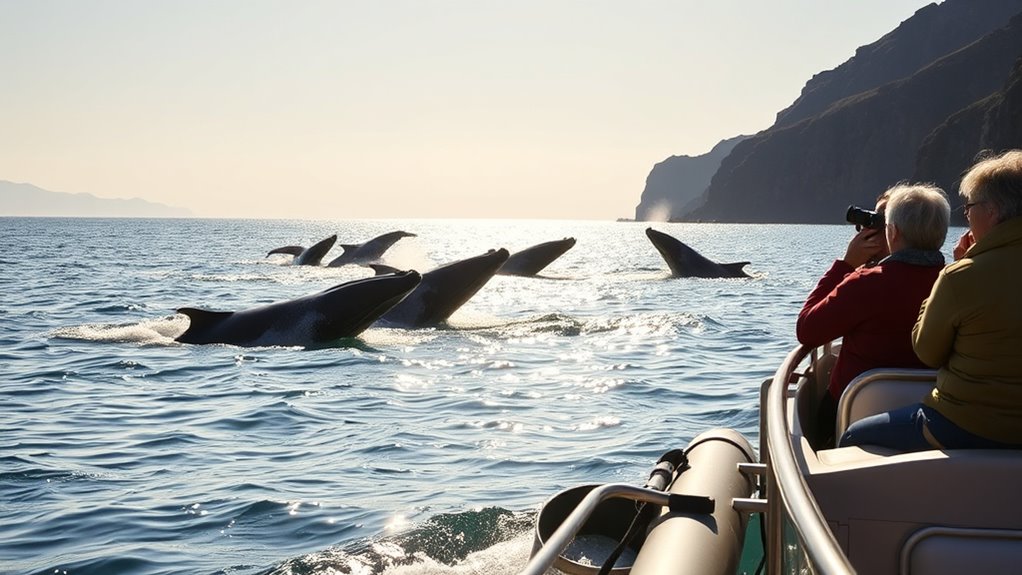
How to Determine If Whale Watching Is Ethical
You can tell if whale watching is ethical by choosing operators who keep at least 100 yards away from whales and limit encounters to 20-30 minutes to reduce stress.
Ethical whale watching tours avoid touching or feeding whales and follow regional guidelines designed to safeguard marine life. Look for certifications like Whale SENSE or World Cetacean Alliance to verify responsible practices.
Responsible trips prioritize conservation and education over entertainment. These tours help protect whales while providing meaningful experiences.
Keep going to discover how to spot the best operators and support whale-friendly tourism.
What Makes Whale Watching Truly Ethical?
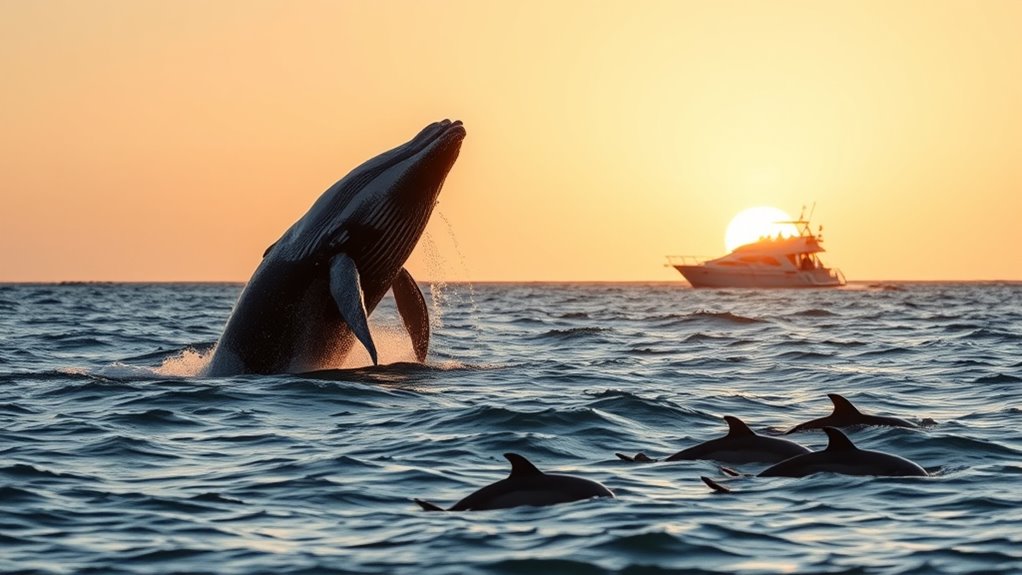
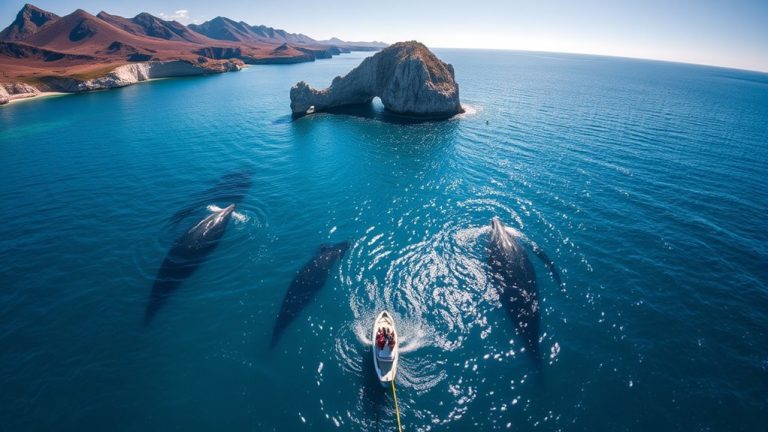
While you might be enthusiastic to get close to these majestic creatures, ethical whale watching means keeping a safe distance—usually at least 100 yards—to avoid stressing or disturbing them. To be responsible, you need to follow strict guidelines that regulate how close and how fast boats can approach marine mammals.
Observing without touching, feeding, or causing disturbance respects the whales’ natural behavior and reduces stress. Ethical operators adhere to these regulations, often certified by eco-labels that confirm their commitment to sustainable practices.
You should also recognize signs of whale disinterest or stress and avoid further approach. By understanding and respecting these factors, you help ensure whale watching remains a responsible, enjoyable experience that prioritizes the well-being of these incredible marine mammals.
How to Identify Responsible Whale Watching Operators
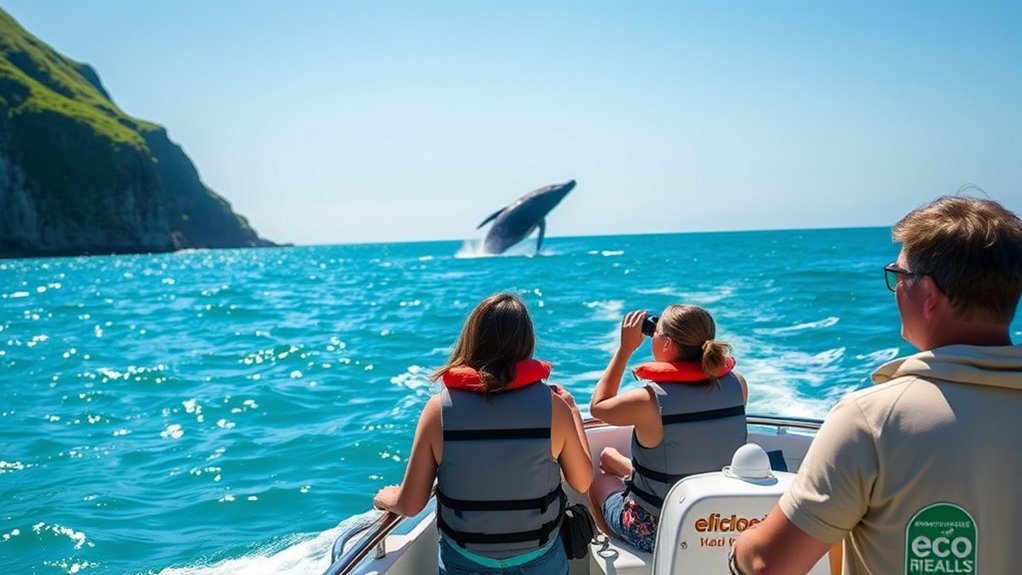
Because not all whale watching tours prioritize the well-being of marine life, you should carefully choose operators who follow strict ethical guidelines. Look for responsible whale watching companies with certifications like Whale Sense or Whale Heritage Site, showing their commitment to marine conservation.
Verify they adhere to a clear code of conduct, including maintaining a minimum distance of at least 100 meters from whales and limiting encounter times. Prioritize operators that emphasize education over entertainment, helping you understand whale behavior and habitat.
Check the operator reputation by reading reviews and ensuring they participate in recognized programs like the World Cetacean Alliance. By selecting tours that follow these principles, you support ethical whale watching and help protect these majestic creatures for future generations.
Minimizing Disturbance: Whale Watching Best Practices
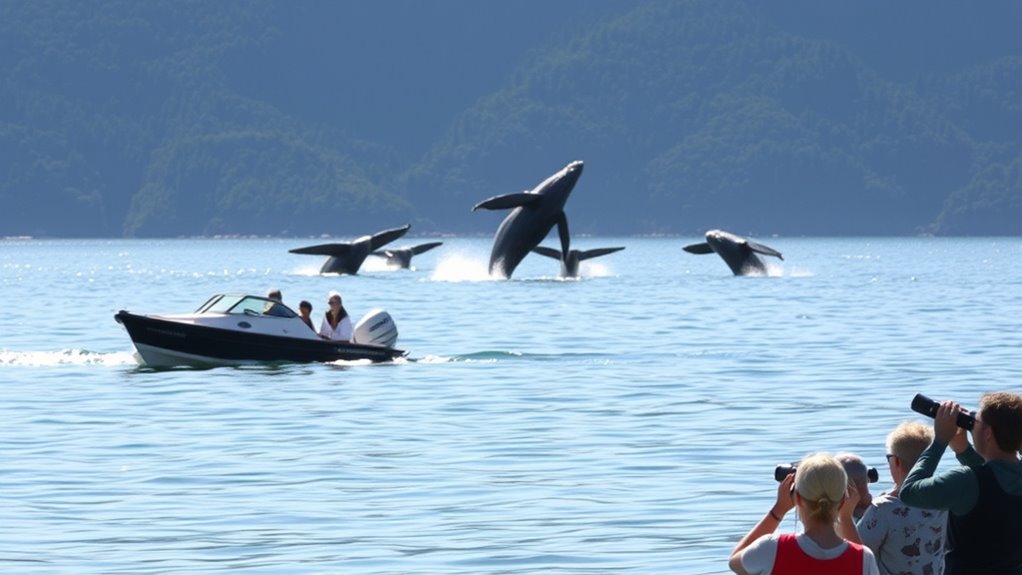
When you watch whales, keep at least 100 yards away to avoid stressing them. Don’t spend more than 20-30 minutes near a whale to let it continue its natural behavior.
Maintaining Safe Distances
To minimize disturbance during whale watching, you need to maintain a safe distance of at least 100 yards (91 meters) from the animals. This distance helps reduce stress and behavioral disturbances in marine life, allowing whales to continue their natural behaviors.
Always follow whale watching guidelines and regional regulations designed to protect these animals. Approach whales slowly and from the side to avoid startling them, and keep your boat’s speed low to reduce underwater noise that can interfere with whale communication.
A responsible tour respects these safe distances, prioritizing stress reduction over close encounters. By doing so, you support the health and well-being of whales, ensuring your experience is ethical and sustainable for both you and the marine life you’re fortunate to observe.
Limiting Interaction Duration
Although observing whales up close is thrilling, you should limit each encounter to no more than 20 minutes to minimize stress and disturbance. Limiting interaction duration is vital in ethical whale watching, as prolonged exposure can disrupt whale behavior, causing disorientation or calf separation.
Responsible operators follow guidelines rooted in marine biology to guarantee minimal disturbance, balancing memorable experiences with conservation goals. Scientific studies confirm that shorter viewing times reduce behavioral disruptions, promoting whale well-being.
Here’s a quick guide to best practices:
| Aspect | Best Practice |
|---|---|
| Interaction Duration | Max 20 minutes |
| Whale Behavior | Monitor for signs of stress |
| Operator Responsibility | Enforce time limits & educate you |
| Conservation Focus | Prioritize whale well-being |
Following these guidelines supports ethical whale watching and long-term conservation.
Benefits of Land-Based Whale Watching
When you watch whales from land, you reduce your impact on their environment by avoiding noise and boat traffic that can stress them. It’s also a safer and more accessible option, especially if you have mobility challenges or are visiting with family.
This approach helps protect whales while making the experience enjoyable and eco-friendly for everyone.
Environmental Impact Reduction
How can you enjoy whale watching while minimizing your environmental impact? Choosing land-based whale watching is a smart way to practice marine conservation. It eliminates underwater noise pollution caused by boats, leading to disturbance reduction for marine mammals.
You’ll engage in responsible observation without stressing the animals or disrupting their natural behaviors. Since land-based sites don’t require fuel-consuming vessels, you reduce your carbon footprint and support eco-friendly tourism. These sustainable practices protect habitats by avoiding direct human interaction that can harm delicate ecosystems.
Accessibility And Safety
Choosing land-based whale watching doesn’t just protect the environment—it also makes the experience safer and more accessible for everyone. By observing from shore, you avoid the risks associated with boat trips, making it a safer option for children and those with limited physical abilities.
Locations like Hermanus and Moray Firth offer excellent vantage points where you can enjoy watching marine wildlife without disturbing them. This eco-friendly approach reduces noise and emissions, allowing whales to display natural behaviors undisturbed.
Plus, land-based whale watching is often more affordable and easier to reach, promoting responsible tourism worldwide. When you choose shore-based observation, you support both accessibility and safety while minimizing your impact on marine ecosystems.
Regulations and Certifications That Protect Whales
Because protecting whales during viewing activities depends heavily on adherence to rules, regulations and certifications play a crucial role. You should look for operators who follow the Marine Mammal Protection Act, which enforces a minimum distance of 100 yards from whales. Certifications like Whale SENSE and the World Cetacean Alliance confirm that tour providers uphold ethical practices and meet conservation standards.
The International Whaling Commission offers guidelines and a whale watching handbook to promote sustainable and responsible interactions. Many marine protected areas enforce strict regulations to minimize disturbances, ensuring whale populations remain safe. When you choose certified, law-abiding operators, you help protect these magnificent creatures and support a whale watching industry committed to ethical and sustainable behavior.
How Travelers Can Support Whale Conservation Efforts
While enjoying whale watching, you can play a vital role in conservation by supporting responsible tour operators and following best practices. Choosing eco-certified tours that prioritize marine mammal protection ensures your experience aligns with marine wildlife ethics.
You can also contribute to whale conservation by engaging in citizen science and respecting whale sighting guidelines.
- Book with operators certified by Whale Sense or the World Cetacean Alliance to promote responsible whale watching.
- Follow whale sighting guidelines like keeping at least 100 yards distance and limiting encounter times.
- Participate in citizen science apps such as Whale Alert or iNaturalist to report sightings and help monitor whale health.
- Advocate for sustainable tourism policies that protect habitats and support marine mammal protection.
Frequently Asked Questions
Can Whale Watching Be Ethical?
Yes, whale watching can be ethical if you choose tours that keep a safe distance, follow responsible guidelines, prioritize whale welfare, and avoid disturbing their natural behavior.
This ensures a respectful and sustainable experience for both you and the whales.
Is Whale Watching Humane?
If you approach whales like a gentle breeze, whale watching can be humane. You’ll keep distance, avoid loud noises, and respect their space—ensuring your presence doesn’t ripple stress through their peaceful ocean world.
Is Whale Watching in Hawaii Ethical?
Yes, whale watching in Hawaii can be ethical if you choose certified tours that follow strict guidelines, maintain safe distances, and respect whale behaviors.
Opt for land-based spots to minimize disturbance and support conservation efforts.
Is It Painful for Whales to Have Barnacles?
Imagine carrying a backpack that’s part of you—barnacles stick to whales, but you won’t feel pain. They attach slowly, causing no injury, like nature’s gentle hitchhikers.
Often harmless and sometimes even helpful.
Conclusion
You might worry that even ethical whale watching still disturbs these magnificent creatures, but choosing responsible operators makes a huge difference. By sticking to guidelines and supporting certified tours, you help protect whales while enjoying unforgettable experiences.
Remember, your choices directly impact conservation efforts. So, opt for mindful whale watching and contribute to preserving these incredible animals for generations to come.
Because ethical tourism isn’t just possible, it’s essential. Responsible whale watching ensures the wellbeing of whales and supports marine conservation, making your adventure both enjoyable and sustainable.