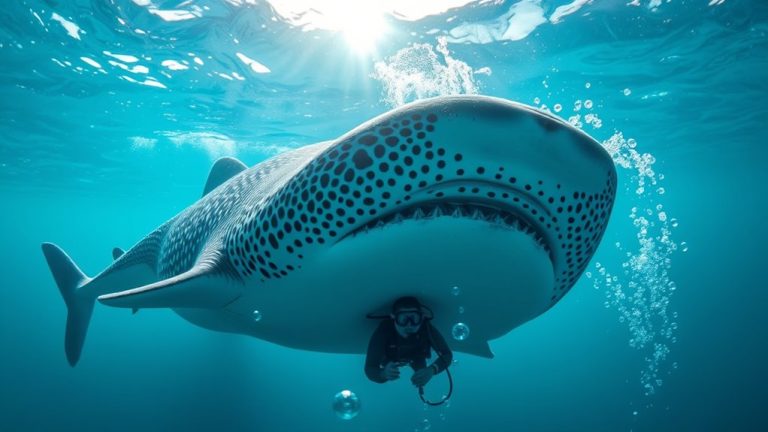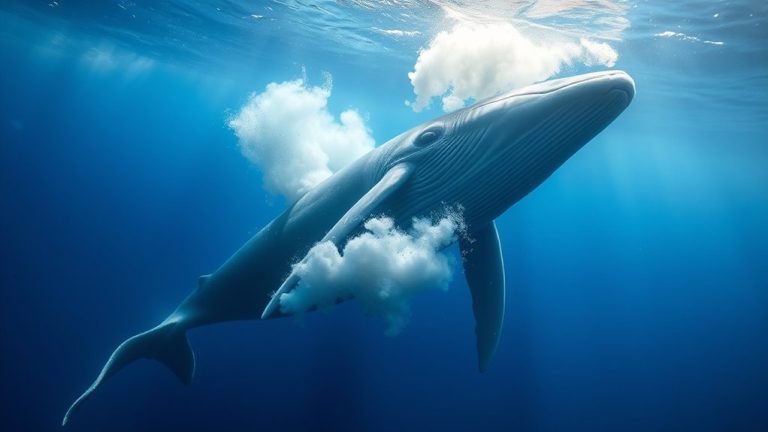
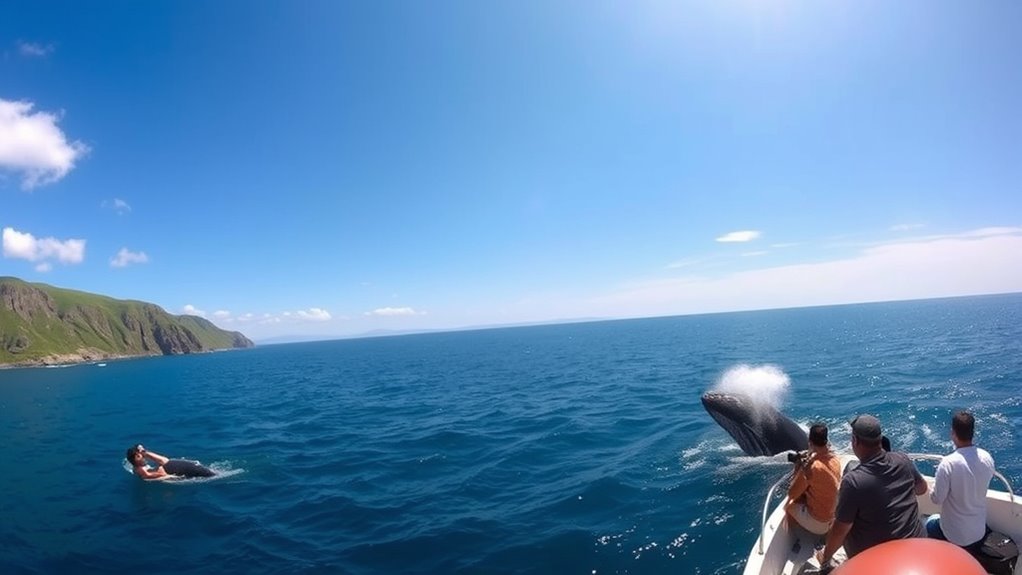
3 Best Places to Go Whale Watching Worldwide
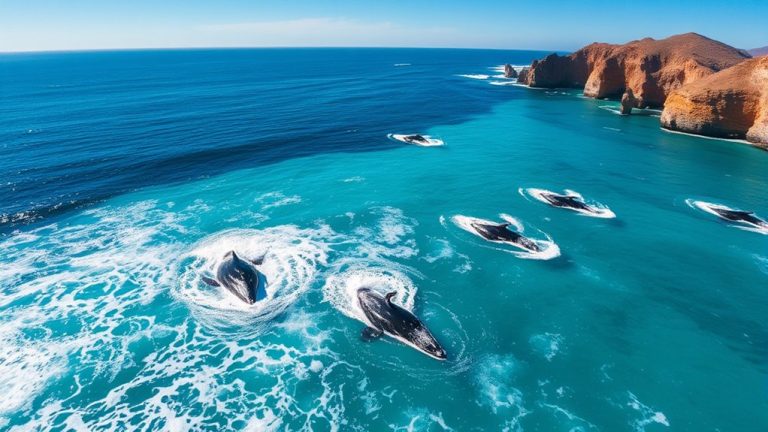
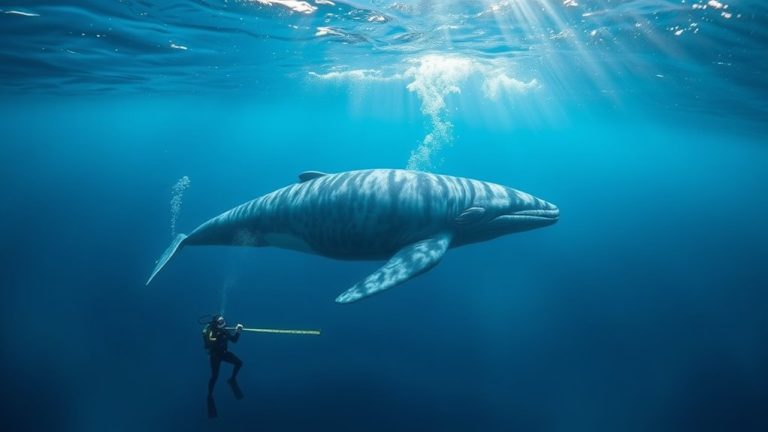
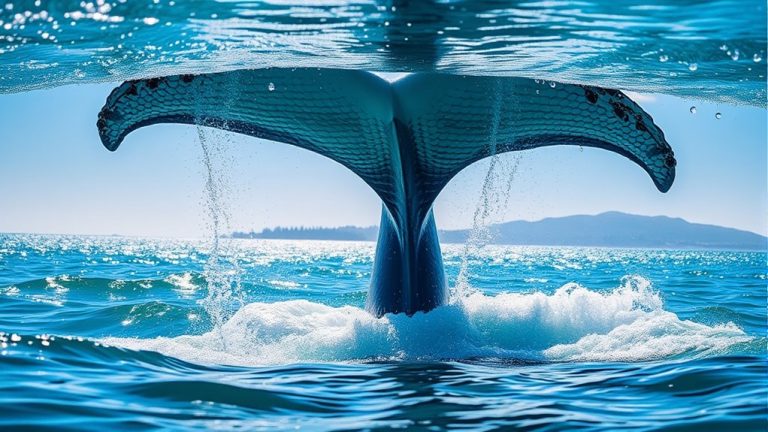
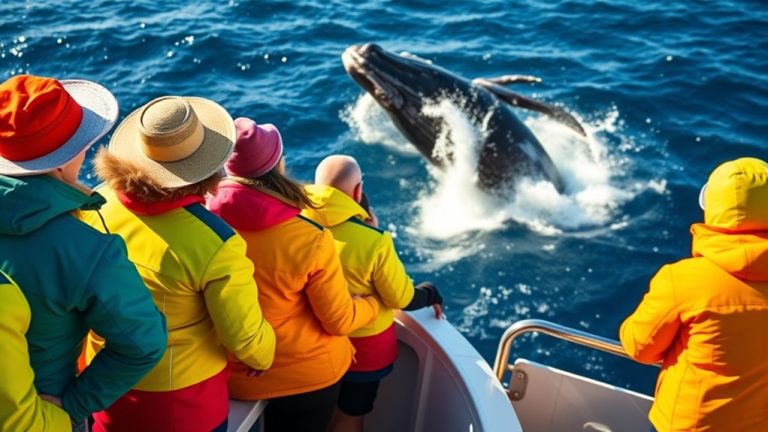
If you want unforgettable whale watching experiences, head to Iceland, Antarctica, or the Azores. These top whale watching destinations offer incredible opportunities to see majestic marine giants up close.
In Iceland, you can catch humpbacks and blue whales from May to September. The waters around this island are rich with marine life, making every trip exciting and rewarding.
Antarctica offers sightings of orcas and blue whales from late October to March. The stunning icy landscapes add a unique backdrop to your whale watching adventure.
The Azores host over 20 species, including sperm whales, year-round. This archipelago combines amazing whale sightings with diverse wildlife encounters.
Keep exploring to discover the best times and tours that make each destination truly special. Whether you prefer the Arctic chill or temperate seas, these spots promise unforgettable memories.
Top Whale Watching Destinations and Their Iconic Species
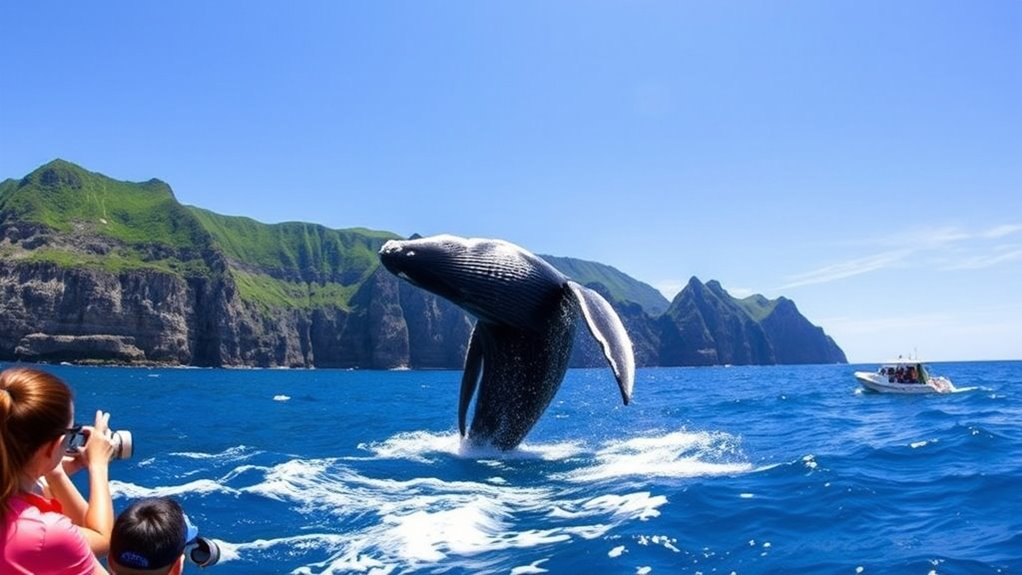
When you choose a whale watching destination, you want to pick places known for their iconic species and reliable sightings. Iceland tops the list with blue whales, humpback whales, and orcas appearing during the peak season from May to September. Antarctica offers spectacular whale watching, especially for orcas and blue whales in its summer months.
The Azores archipelago hosts over 20 whale species year-round, including blue whales and sperm whales. In the Caribbean, Dominica offers year-round sperm whale sightings and seasonal humpback whale encounters. South Africa’s Whale Coast near Cape Town is famous for southern right whales and humpbacks, especially from June to November.
Each destination guarantees unforgettable whale sightings, making these top destinations perfect for whale enthusiasts keen to see diverse species in their natural habitats.
Best Times to Go Whale Watching at Each Location
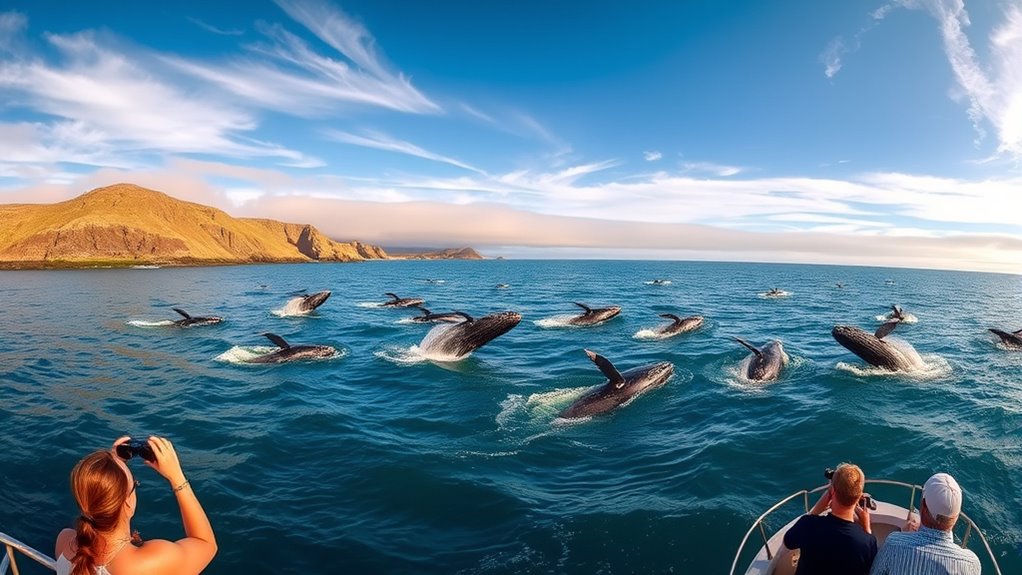
Since whale watching depends heavily on seasonal migrations and behaviors, choosing the right time can make all the difference in your experience. The best times to visit vary by destination and often align with whale migration, breeding season, or calving season.
Timing your whale watching trip with seasonal migrations and breeding ensures the most memorable encounters.
In Iceland, the prime months run from May through September, coinciding with feeding times and breeding. Antarctica’s peak seasons fall between late October and late March, with February and March marking the most active whale watch seasons.
The Caribbean and Costa Rica offer excellent sightings during the humpback migration period, from July to mid-November. Meanwhile, Hawaii and Baja California provide year-round opportunities, with peak seasons generally between January and March.
Planning your trip around these best months guarantees you catch whales at their most vibrant and active.
Whale Watching Tours and Other Wildlife to Spot
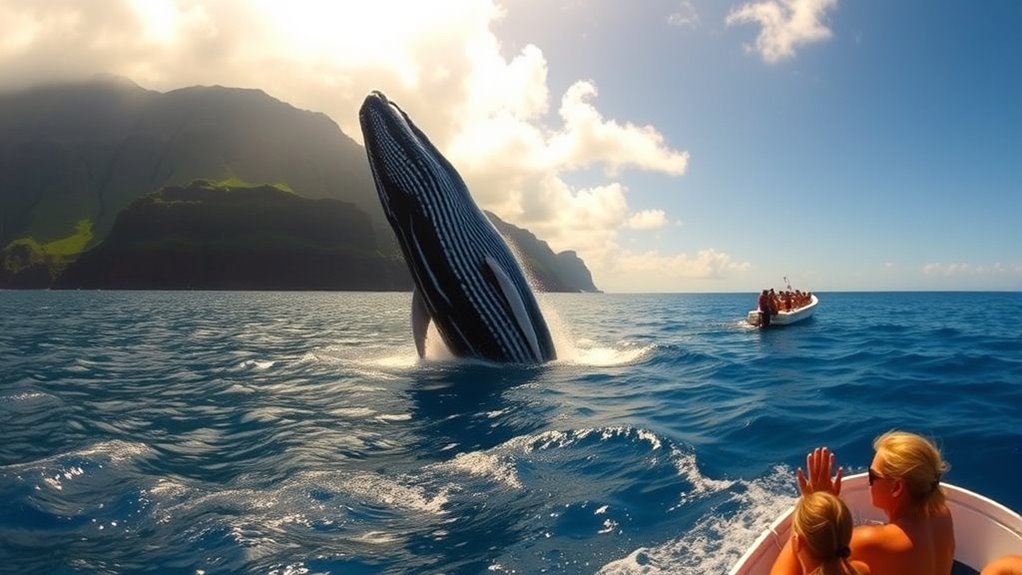
Although whale watching tours focus on spotting majestic whales, you’ll often encounter a variety of other fascinating marine wildlife such as dolphins, seals, and seabirds. During migration and breeding seasons, seasonal sightings increase, offering chances to see diverse species like dolphins and porpoises, seabirds and seals, sea otters, and even sharks.
Guided wildlife tours provide educational wildlife experiences, helping you understand the behavior and ecology of these creatures. Some destinations even offer immersive wildlife activities, such as swimming with dolphins or kayaking near whale pods, enhancing your connection with marine life.
Whether you’re chasing whales or admiring other marine wildlife, these tours deliver unforgettable encounters that showcase the ocean’s rich biodiversity and the thrilling dynamics of migration and breeding periods.
Frequently Asked Questions
Which Country Is Best for Whale Watching?
You’ll find Iceland’s whale watching unbeatable with a 99% sighting success rate during May to September.
Its diverse species and reliable tours make it the best choice if you want a thrilling whale watching experience.
Is Iceland or Norway Better for Whale Watching?
You’ll find Iceland better for year-round whale diversity and reliable sightings, especially around Husavík.
But if you want dramatic Arctic landscapes and seasonal species like orcas or sperm whales, Norway offers a unique, scenic experience.
What Is the Whale Watching Capital of the World?
Picture a vibrant ocean stage where giants perform year-round—that’s Dana Point, California, the Whale Watching Capital of the World.
You’ll catch spectacular sightings thanks to expert guides and rich, welcoming waters full of whale activity.
Where Is the 7 Seas Whale Watch?
You’ll find 7 Seas Whale Watch operating in top whale-watching hotspots like Iceland, Baja California, the Azores, and South Africa.
They offer expert-guided tours year-round or seasonally, focusing on responsible, unforgettable marine experiences.
Conclusion
Now that you know the best spots to see whales, it’s time to plan your adventure. Remember, “the early bird catches the worm,” so choose the right season to maximize your chances of spotting these majestic creatures. Whether you’re cruising with humpbacks or watching orcas dance, each destination offers unforgettable moments and other incredible wildlife.
Don’t wait—embrace the call of the ocean and make memories that’ll last a lifetime. Whale watching worldwide promises awe-inspiring encounters and breathtaking views. By selecting the perfect location and timing, you’ll experience the magic of whale watching like never before.