How Can You See Whales From an Airplane?
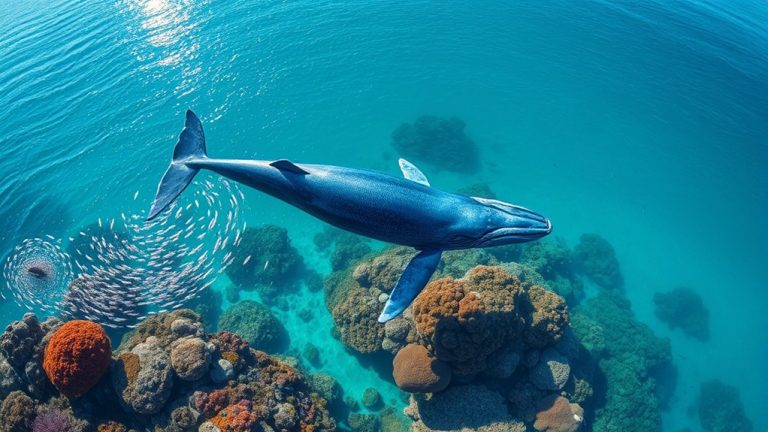
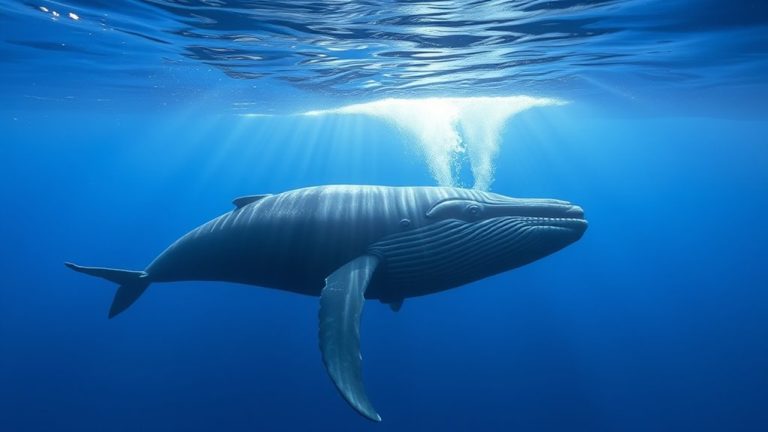
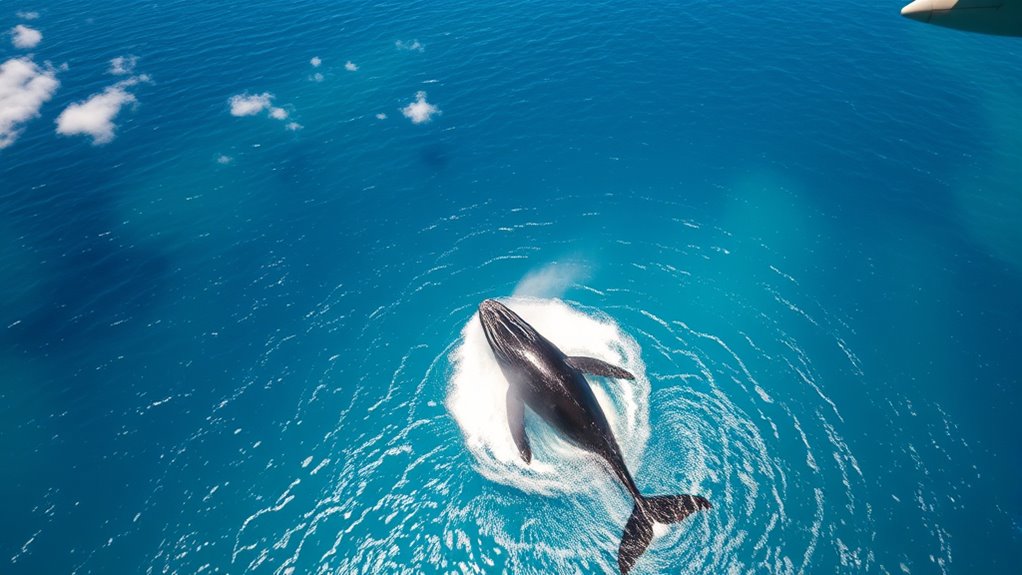
You can see whales from an airplane by scanning calm ocean waters for surface signs like splashes, breaches, or tail slaps. Using binoculars while flying at a respectful altitude helps improve visibility and keeps the experience safe.
Spotting whales from the air requires patience, as they often stay submerged beneath the surface.
Weather and sea conditions greatly affect how well you’ll be able to see whales. Clear, calm days with minimal waves provide the best opportunities for aerial whale watching.
If you want to learn more about the best techniques and challenges of spotting whales from airplanes, keep exploring.
How Pilots Spot Whales From the Air During Scenic Flights
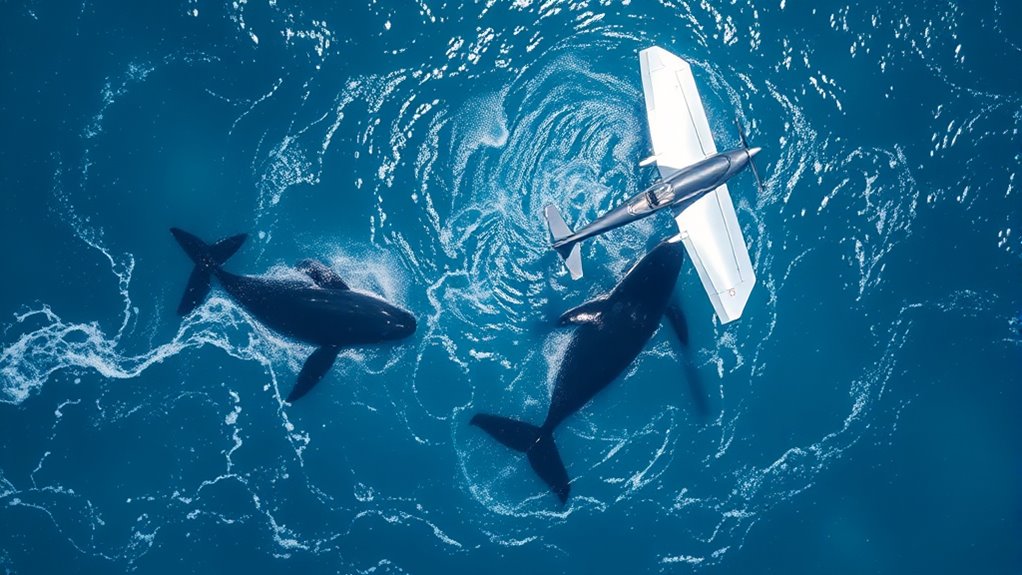
Although whales spend much of their time underwater, pilots know exactly where to look during scenic flights to spot them. They focus on surface disturbances like splashes, breaches, and tail slaps—clear signs that whales are nearby. From high vantage points, pilots scan large ocean areas with binoculars, making each whale watching tour efficient and exciting.
You’ll often see whales best when the sea is calm since choppy waters can hide these surface clues. Timing is key, as whales usually stay submerged for up to five minutes, so pilots remain patient and attentive. While pilots keep a respectful altitude, this sometimes limits how often and how clearly you can see whales from above, but their skill helps you catch those unforgettable moments.
Why Spotting Whales From the Air Isn’t Always Easy
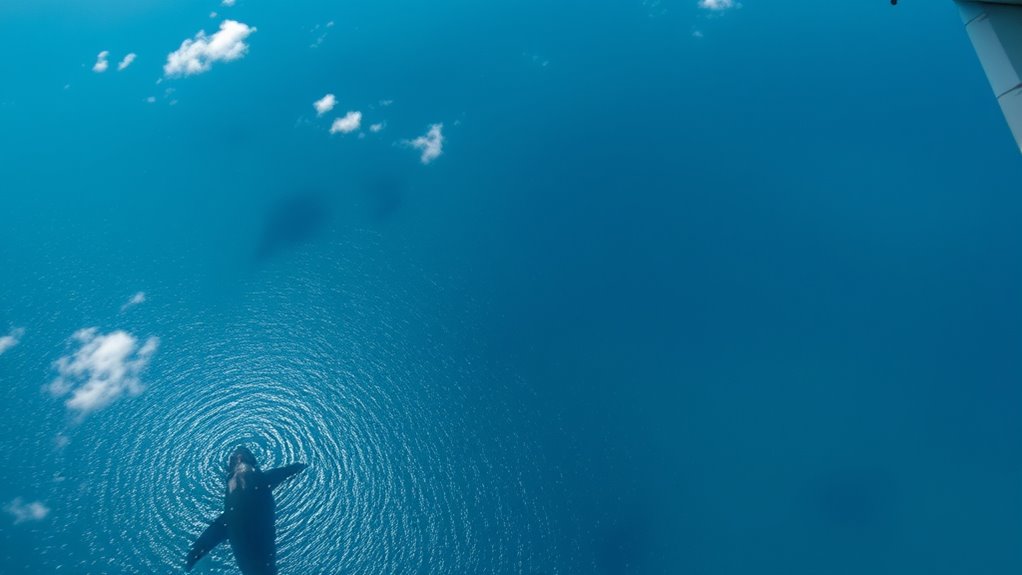
Pilots use sharp eyes and experience to spot whales from the air, but it’s not always a straightforward task. Whales often stay submerged for up to five minutes, so you might miss them if you glance too early or too late. Maintaining a respectful altitude means pilots can’t get too close, which limits how clearly you can see underwater.
Water conditions like waves and glare can easily obscure whales, making them blend into the ocean’s surface. Plus, whales can dive or surface quickly, so timing is essential. Flying overhead might even cause whales to move into previously searched areas, reducing spotting chances.
All these factors combined mean that even with skilled pilots, seeing whales from the air isn’t as easy as it seems.
How Weather and Ocean Conditions Affect Aerial Whale Spotting
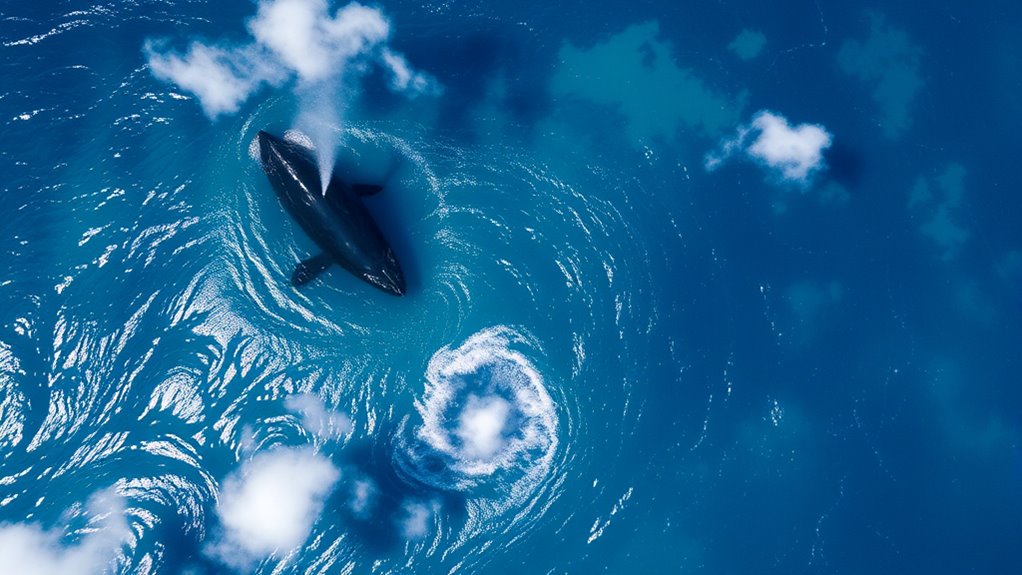
When weather turns rough or visibility drops, spotting whales from the air becomes much trickier. Water conditions play a huge role—calm seas and clear skies boost your chances, while choppy waters and low light make it harder to spot whales. High winds often force planes to fly higher, reducing visual clarity and making identification tougher.
Fog, low clouds, or overcast skies also diminish contrast, so even if whales are near the surface, you might miss them. Plus, rough ocean surfaces usually mean whales stay deeper, decreasing your odds of seeing them. Understanding how weather and water conditions affect aerial whale spotting helps you know when the best times to look are and why sometimes whales remain hidden from your view.
How Land-Based Spotting and Hydrophones Support Aerial Whale Watching
Weather and ocean conditions can limit what you see from the air, but land-based spotting and hydrophones help fill in the gaps. Land-based spotting networks use powerful scopes at fixed shore locations, allowing you to detect whales without disturbing them. These spots often outperform aerial views, since they aren’t affected by surface glare or whales diving underwater.
Hydrophones, underwater microphones, listen continuously for whale vocalizations, giving you 24/7 detection regardless of weather or water clarity. Data from hydrophones is shared among whale watch groups, improving real-time tracking and your chances of sightings.
What to Expect on Combined Flight and Sea Whale Watching Tours
Although aerial views provide breathtaking panoramas of mountains, islands, and marine habitats during a scenic 50-minute flight, you might find whale sightings from the air limited due to their underwater behavior and water conditions.
On combined flight and sea whale watching tours near San Juan, you’ll enjoy a unique blend of perspectives. After the flight, you’ll board a boat for closer marine encounters. Here’s what to expect:
- Stunning bird’s-eye views of the San Juan archipelago and marine life.
- Spotting whales surfacing or spouting, though sightings vary.
- Enhanced chances using land-based spotting and hydrophone data.
- Intimate boat-based whale watching for reliable close-up views.
- Opportunities to see multiple whale species in their natural habitat.
This combo tour elevates your Whale Watching experience to unforgettable heights and depths.
Frequently Asked Questions
Can You See Whales From an Airplane?
You can sometimes see whales from an airplane, but it’s tough. They stay underwater most of the time, so you’ll only spot them if they surface or breach while you’re flying overhead.
Is It Possible to See a Whale on a Cruise?
You absolutely can see whales on a cruise—it’s like spotting giants from a fairytale! Just keep your eyes peeled during migration seasons, and with a little luck, you’ll witness these majestic creatures up close from the deck.
Do Whales Get Flown on Planes?
No, whales don’t get flown on planes. You’ll find airplanes are used to spot whales from the sky, not transport them.
They’re too big and live in the ocean, so flying them isn’t possible.
What Does Whale Vision Look Like?
You might think whales see like us, but they don’t. They have wide side-placed eyes, letting you spot predators and prey.
Their vision works well underwater, even in murky light, but relies more on echolocation deep down.
Conclusion
Next time you’re on a scenic flight, remember pilots can spot whales from up to 1,000 feet above the ocean, often relying on subtle movements like spouts or tail slaps. Though weather and waves sometimes make it tricky, combining aerial views with land-based spotting and hydrophones boosts your chances.
So, whether you’re in the air or on a boat, you’re part of an incredible experience connecting with these majestic creatures in their vast ocean home. Seeing whales from an airplane offers a unique perspective, enhancing your whale watching adventure and deepening your connection with marine life.